Morocco is one of the most photogenic countries on Earth. Within a single trip, you can move from cobalt-blue medina alleys to endless golden dunes, from Atlantic fishing ports to red-clay kasbahs glowing at sunset(Guía Fotográfica Marruecos).
This guide walks you through the best photography spots in Morocco and, just as importantly, the exact times of day to shoot them for the richest colors, softest shadows, and most authentic atmosphere .
Morocco Photography Guide: Best Spots And Golden Hours
Morocco’s landscapes and architecture are defined by color and texture: ochre walls, indigo doorways, terracotta desert sand, whitewashed coastal towns. The quality of light can make or break a shot far more than camera settings.
- Golden hour (the hour after sunrise and before sunset) bathes Morocco’s earthy tones in warm, directional light that brings out texture in walls, sand dunes, and skin tones in portraits.
- Blue hour (just before sunrise or after sunset) is ideal for city medinas and coastal towns, when artificial lights start to glow against a deep blue sky.
- Midday sun, generally avoided elsewhere, can actually work in Morocco’s souks and covered alleyways, where shafts of light cut dramatically through wooden lattice roofs.
Understanding when and where to point your camera is the real secret to a standout Morocco photo collection.
1. Chefchaouen — The Blue Pearl
Chefchaouen’s blue-washed alleys in the Rif Mountains are arguably Morocco’s most Instagrammed location, and for good reason.
Best time to shoot: Early morning, right after sunrise (roughly 6:30–8:30 AM depending on season). The streets are empty, the light is soft and diffused by the surrounding buildings, and the blue tones appear richer without harsh shadows.
Photography tips:
- Head to the upper medina near Ras El Maa for classic staircase and doorway shots.
- Shoot vertically to capture the narrow alleyways in full.
- Avoid midday, when the sun creates harsh contrast between shadowed and lit walls.
- Sunset from the Spanish Mosque (Jamaa Bouzafar), a short hike above town, gives you a panoramic view of the blue city glowing under warm light.
2. Marrakech — Jemaa el-Fnaa and the Medina
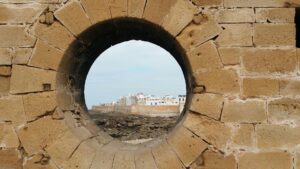
Marrakech is a sensory overload, making it a paradise for photographers.
- Jemaa el-Fnaa square: During blue hour, just after sunset, when food stalls light up, smoke rises, and the sky still holds color.
- Souks and alleyways: Late afternoon golden hour, when sunlight filters through gaps in the reed-covered roofs, creating beautiful patterns.
- Rooftop views: At sunset from a rooftop café overlooking the iconic Koutoubia Mosque.
3. Sahara Desert — Merzouga and Erg Chebbi Dunes
No Morocco photography guide is complete without the Sahara. The Erg Chebbi dunes near Merzouga are the country’s most iconic desert landscape.
Best time to shoot:
- Sunrise over the dunes is often considered superior to sunset here — the light is softer, the wind hasn’t yet disturbed the sand ripples, and there are usually fewer people.
- Sunset delivers dramatic long shadows and deep orange-to-purple gradients across the dune ridges.
Photography tips:
Here are some top tips for photographing the dunes at sunrise or sunset:
-
- Climb a dune early (10–15 minutes ahead) to secure an unobstructed ridge line before the light peaks.
- Use a wide-angle lens to capture the vast scale of the dunes, and a telephoto lens to compress layered ridgelines into striking patterns of light and shadow.
- Capture silhouettes of camels against the dunes during golden hour—a Sahara classic. Position your subject between you and the sun.
- Protect your gear from sand with a simple camera rain cover, especially in windy conditions.
- Consider staying overnight in a desert camp to catch both sunset and sunrise without the need for a long drive.
4. Essaouira — Atlantic Light and Fishing Boats
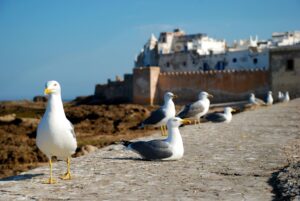
This coastal town offers a completely different palette compared to the rest of Morocco: vibrant blue boats, whitewashed walls, and the Atlantic mist.
- Early morning at the fishing port (around 8–10 AM): When boats return with the day’s catch and the harbor buzzes with activity.
- Late afternoon golden hour along the ramparts: Offers dramatic ocean lighting perfect for atmospheric shots.
- The 18th-century sea bastion, Skala de la Ville, provides excellent framing with its cannons and crashing waves.
- Overcast days work well here; the diffused coastal light is ideal for portrait and street photography.
5. Aït Benhaddou — The Kasbah of a Thousand Films
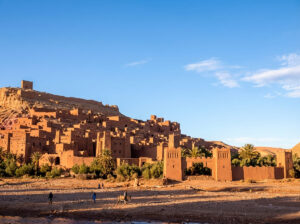
This UNESCO-listed fortified village has featured in countless films and remains one of Morocco’s most striking architectural subjects.
- Sunrise, from across the river looking toward the kasbah. The low sun bathes the clay structures in warm amber tones, while the valley below often holds a soft morning haze.
- Cross the river early to shoot from within the kasbah looking outward, before tour groups arrive.
- Use a polarizing filter to reduce haze and deepen the sky, creating a dramatic contrast against the clay walls.
6. The Atlas Mountains
The High Atlas range offers dramatic mountain photography, especially around the Ouzoud Waterfalls and villages like Imlil.
Best time to shoot: Golden hour on mountain ridgelines produces long shadows and layered depth across valleys. At Ouzoud Waterfalls specifically, late afternoon light often creates natural rainbows in the mist.
Photography tips:
- Bring a tripod and neutral density filter for long-exposure waterfall shots.
- Villages built into the mountainside photograph best with side lighting in early morning or late afternoon, which reveals texture in the stone and clay buildings.
7. Fes — Tanneries and Medina Rooftops
Fes el-Bali is the world’s largest car-free urban area, a vibrant maze of color, craft, and history.
- The Chouara Tannery is best photographed from nearby rooftop terraces mid-morning, when the dye pits are active and the light is bright enough to capture vivid colors without deep shadows.
- Ask your guide or a leather shop for rooftop access—most offer a small viewing terrace for a modest fee or with a purchase.
- The medina’s narrow alleys and the blue gate (Bab Boujloud) are ideal for shooting in soft, diffused light during early morning or late afternoon.
Practical Golden Hour Planning for Morocco
Sunrise and sunset times shift significantly across Morocco’s regions and seasons, so a bit of planning goes a long way:
- Use a sun-tracking app to check exact golden hour windows for your specific location and date.
- In the Sahara, golden hour arrives and fades quickly due to the flat horizon — be in position at least 20 minutes early.
- In mountain regions like the Atlas, surrounding peaks can shorten your usable golden hour, so scout your composition the day before if possible.
- Coastal towns like Essaouira often have later golden hours due to Atlantic haze, softening the light further.
Essential Photography Tips for Traveling in Morocco
-
Here are essential photography tips for your trip to Morocco:
- Protect your gear: Dust and sand are constant in the south—carry a lens cloth and a protective case for your equipment.
- Pack light but versatile: Bring a wide-angle lens for architecture and landscapes, plus a mid-range zoom for portraits and street scenes to cover most situations.
- Stay flexible: Weather and light can change rapidly between coastal, mountain, and desert regions, sometimes within the same day.
- Hire a local guide: Beyond safety and cultural insight, local guides often know the best viewpoints and timing that don’t appear in guidebooks.
Morocco’s incredible diversity makes it one of the richest photography destinations worldwide. Timing your visits to catch each location’s ideal golden hour can transform good photos into truly unforgettable ones.
If you’d like help crafting a Morocco itinerary focused on the best light and least crowded viewpoints, Ergaventure’s local experts can design a custom photography journey—from Chefchaouen’s iconic blue alleys to sunrise over the Erg Chebbi dunes.




 +212 661-414956